When Gum Disease Reaches the Bone
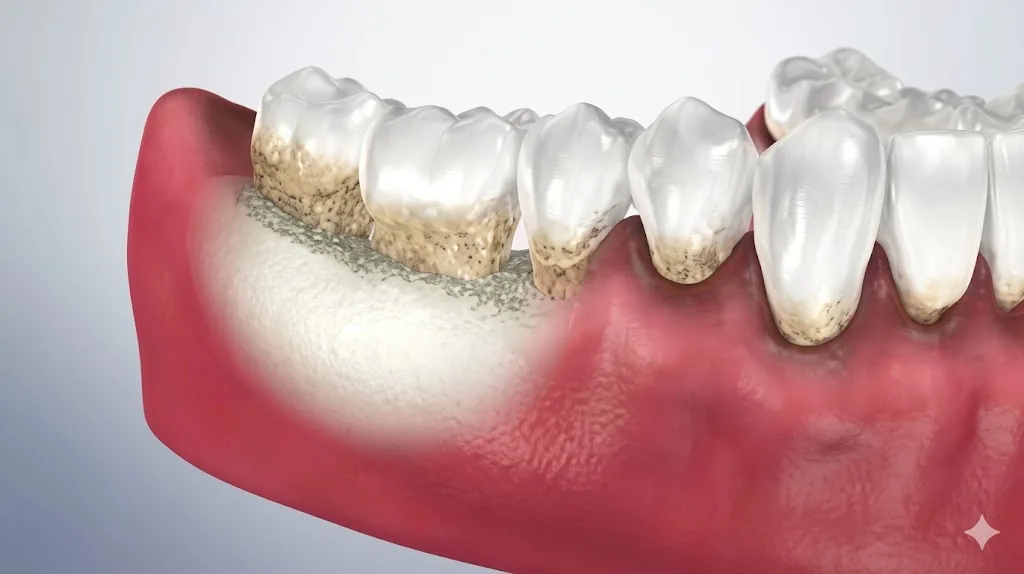
Advanced gum disease doesn't just affect your gums — it attacks the bone that holds your teeth in place. As the disease progresses, deep pockets form around your teeth where bacteria hide and thrive, well beyond what brushing, flossing, or even a professional cleaning can reach.
These deep pockets allow bacteria to keep destroying bone and gum tissue even after a thorough cleaning. Left untreated, this leads to loose teeth and eventually tooth loss.
When pockets reach a certain depth, cleaning alone is no longer enough. Osseous surgery gives us direct access to the roots and bone, allowing us to thoroughly clean the area and reshape the bone so it can finally heal. It's not a last resort — it's simply the right treatment for this stage of disease, and the best way to protect your teeth long-term.
How We Treat It
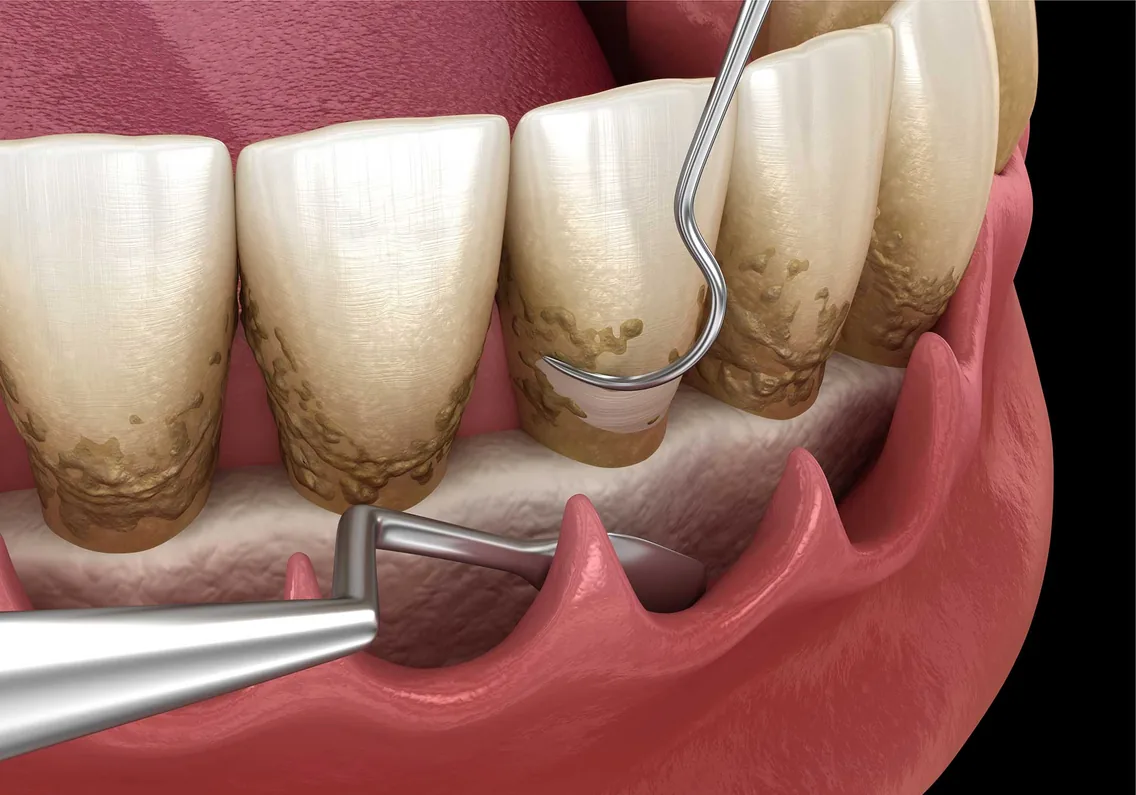
Osseous surgery — also called pocket reduction surgery or resective periodontal surgery — surgically accesses the diseased bone, achieves complete root debridement, and reshapes the bone to eliminate pocket architecture. The result is reduced pocket depths and a stable, maintainable periodontal environment.
- 1
Local Anesthesia & Comfort
The surgical area is thoroughly numbed with local anesthetic. Oral sedation or nitrous is available for patients who prefer to be relaxed throughout the procedure.
- 2
Flap Reflection
Precisely placed incisions allow the gum tissue to be gently folded back, fully exposing the tooth roots and the diseased bone beneath — providing the access that no non-surgical instrument can achieve.
- 3
Complete Root Debridement
With direct visualization, every surface of every root is meticulously scaled and root planed. All calculus deposits, granulation tissue, and bacterial biofilm are removed under magnification.
- 4
Osseous Recontouring
Irregular bone craters and ledges are carefully reshaped using hand and rotary instruments to create smooth, gradual bone contours that eliminate the pocket architecture bacteria colonize.
- 5
Regenerative Grafting (when indicated)
Infrabony defects — vertical bone craters adjacent to roots — are excellent candidates for regenerative bone grafting combined with barrier membranes, which can partially restore lost bone height. Biologics such as Emdogain may also be used to help promote tissue attachment and regeneration.
- 6
Flap Closure & Recovery
Gum tissue is repositioned at the new bone level and sutured. Pocket depths are typically reduced by 2–4mm. Healing proceeds over 4–6 weeks with post-operative antibiotics and antimicrobial rinses.
Benefits of Osseous Surgery
- Eliminates deep periodontal pockets that non-surgical treatment cannot reach
- Complete root debridement under direct visualization
- Stops progressive bone and attachment loss definitively
- Creates a shallower, maintainable environment for daily hygiene
- Regenerative bone grafts can be combined to restore lost structure
- Reduces the body's systemic inflammatory burden significantly
- Dramatically reduces the risk of tooth loss over time
- Predictable, durable outcomes with structured maintenance care