Understanding Periodontal Disease
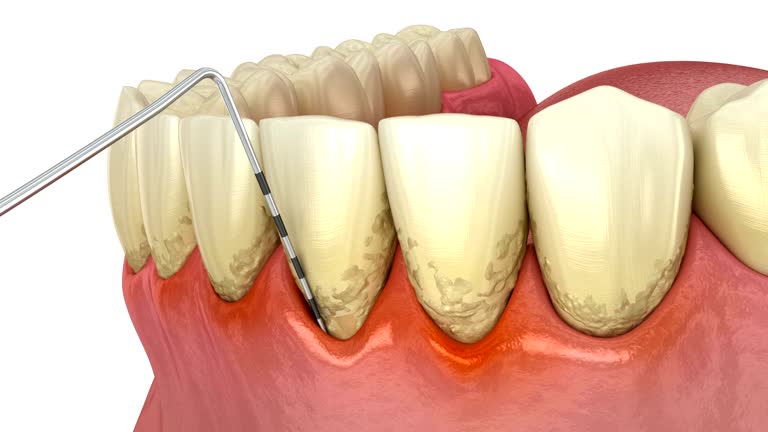
Periodontal disease is a chronic bacterial infection of the structures supporting your teeth — the gums, periodontal ligament, cementum, and underlying alveolar bone. It begins as gingivitis, a reversible inflammation of the gum tissue caused by plaque accumulation at the gumline. At this early stage, the infection is confined to the soft tissue and causes no permanent damage. Without proper treatment, however, gingivitis progresses to periodontitis, where the bacterial toxins and your body's own immune response begin destroying the bone and attachment holding teeth in place.
The scale of the problem is significant — the CDC estimates that nearly half of American adults over 30 have some form of periodontal disease, with rates rising sharply in those over 65. Risk is compounded by smoking, uncontrolled diabetes, certain medications, genetic susceptibility, and systemic inflammatory conditions. Critically, the link between periodontal disease and systemic health is well-established: active periodontitis is associated with increased risk of cardiovascular disease, poorly controlled blood sugar in diabetics, adverse pregnancy outcomes, and respiratory complications.
The insidious nature of the disease is that it is largely painless until advanced stages. By the time a patient notices loose teeth, persistent bad breath, bleeding gums, or shifting bite, substantial bone loss has often already occurred. This makes regular periodontal screening by a specialist — and prompt treatment when disease is identified — genuinely important for both oral and systemic health.
How We Treat It
We use both non-surgical and surgical approaches — always starting conservatively and escalating only when needed to achieve the best long-term outcomes.
- 1
Comprehensive Periodontal Charting
A full-mouth periodontal evaluation records pocket depths, bleeding points, furcation involvement, bone levels, and tooth mobility to establish baseline disease staging and guide the treatment plan.
- 2
Scaling & Root Planing
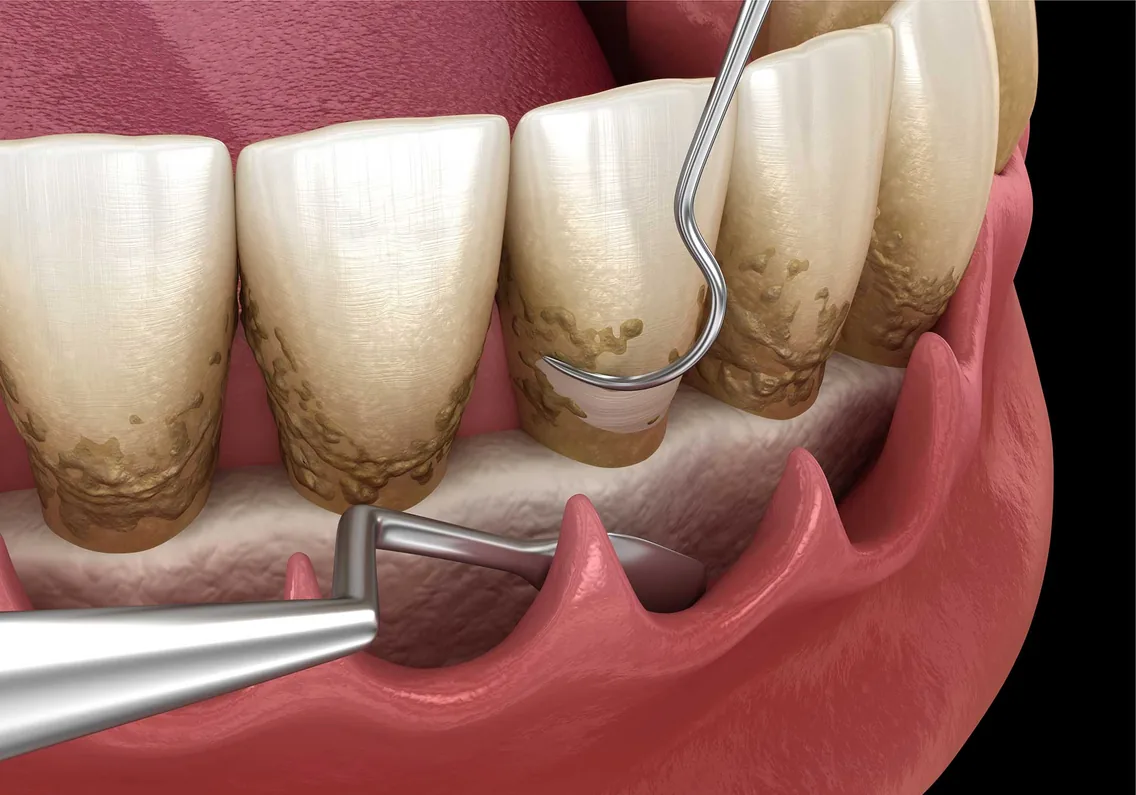
Non-surgical deep cleaning removes calculus, bacterial biofilm, and endotoxins from root surfaces below the gumline using ultrasonic and hand instruments.
- 3
Re-evaluation & Surgical Planning
At 4–6 weeks post-treatment, sites are re-examined. Pockets that have not adequately responded to non-surgical therapy are candidates for osseous surgery or regenerative procedures, which may include the use of biologics such as Emdogain to help promote tissue attachment and regeneration.
- 4
Bone Regeneration (when indicated)
Bone grafts and barrier membranes placed in infrabony defects can stimulate regrowth of lost supporting bone — partially reversing the structural damage of advanced disease.
- 5
Supportive Periodontal Therapy
Quarterly maintenance appointments are the cornerstone of long-term success, maintaining disease stability and catching any recurrence early before it progresses.
Benefits of Periodontal Disease Treatment
- Stops bone and attachment loss before teeth are lost
- Reduces pocket depths for easier long-term maintenance
- May lowers systemic disease risk — heart disease, diabetes complications
- Eliminates chronic halitosis caused by bacterial infection
- Saves teeth by helping prevent extracting teeth in the future
- Non-surgical first-line options preserve comfort and recovery time
- Structured maintenance prevents recurrence and tooth loss